
Introduction: The Role of VERIGENE in Modern Molecular Diagnostics
The VERIGENE® system, developed by Luminex, is a breakthrough in molecular diagnostics, combining the advantages of high-throughput, automated, and multiplexed assays to offer efficient, real-time diagnostic capabilities. The platform is designed to provide results for a variety of pathogens and antimicrobial resistance markers directly from clinical samples, such as blood cultures, gastrointestinal specimens, and respiratory samples.
Given the growing complexity of microbial diagnostics and the urgent need for quick and accurate test results — especially for conditions like sepsis and hospital-acquired infections — VERIGENE has become a cornerstone in clinical microbiology. However, the reliability of the VERIGENE system hinges not only on its technology but also on the quality control (QC) procedures that ensure accurate and reproducible results.
In this extended article, we will explore the key aspects of VERIGENE quality control in depth, examining the importance of different QC measures, how to implement effective QC strategies, common troubleshooting tips, and industry best practices for labs using VERIGENE in a clinical setting.
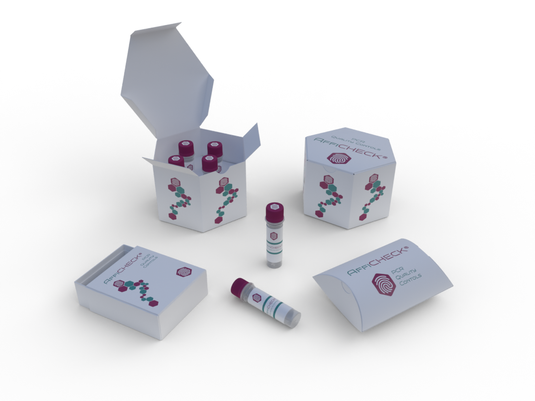
What is VERIGENE?
The VERIGENE® platform is a fully automated molecular diagnostic system designed to streamline and accelerate pathogen detection and antimicrobial resistance testing. It uses a microarray-based detection technology that combines nanoparticles and complementary DNA probes to identify pathogens and resistance markers directly from a patient’s sample.
Key Features:
-
Multiplexed Assays: VERIGENE assays can detect multiple pathogens and resistance genes simultaneously from a single patient sample. This multiplexing capability is crucial for detecting bacterial infections and antimicrobial resistance (AMR) markers in a single test.
-
Rapid Turnaround Time: Results are typically available in less than two hours, compared to traditional microbiology methods that can take days.
-
Ease of Use: The system’s automated nature requires minimal hands-on time, which simplifies workflows and reduces the potential for human error in sample processing.
Popular VERIGENE Panels:
-
Gram-Positive Blood Culture (BC-GP): Detects key pathogens like Staphylococcus aureus, Enterococcus, and Streptococcus pneumoniae.
-
Gram-Negative Blood Culture (BC-GN): Identifies pathogens such as Escherichia coli, Klebsiella, and Pseudomonas.
-
Enteric Pathogens: Detects gastrointestinal pathogens like Salmonella, Campylobacter, and Shigella.
-
Respiratory Pathogens: Identifies viral and bacterial causes of respiratory infections such as Influenza, SARS-CoV-2, and Mycoplasma pneumoniae.
-
Clostridium difficile: Detects the presence of C. difficile and its associated toxin genes (Luminex).
The versatility of VERIGENE in detecting a broad range of pathogens is what makes it invaluable for hospitals, clinics, and diagnostic labs, where rapid identification is crucial for effective treatment and infection control.
The Importance of Quality Control (QC) for VERIGENE
While VERIGENE represents a significant advancement in molecular diagnostics, its accuracy and reliability are not guaranteed unless rigorous QC measures are in place. Quality control in molecular diagnostics ensures that results are accurate, reproducible, and free from interference. Poor QC can lead to false positives, false negatives, or indeterminate results, which could adversely affect patient care, treatment decisions, and infection control efforts.
For any lab using VERIGENE, adhering to comprehensive QC protocols is essential to ensuring the performance of the system and the validity of diagnostic results.
Why is QC Critical for VERIGENE?
-
Patient Safety: Accurate and reliable diagnostics are essential for guiding treatment decisions, particularly for life-threatening conditions like sepsis, where rapid identification of pathogens is key to selecting the appropriate antibiotic therapy.
-
Regulatory Compliance: Most regulatory bodies, including the FDA and CLIA (Clinical Laboratory Improvement Amendments), require laboratories to follow strict QC procedures to maintain accreditation and compliance with standards.
-
Reproducibility: Consistent results across different runs, laboratories, and instruments are necessary to ensure that findings can be replicated and trusted.
-
Assay Performance Validation: Regular QC checks validate that the system is operating within its specified parameters, ensuring that assays detect pathogens and resistance markers with high sensitivity and specificity.

Key Components of VERIGENE QC
1. Internal Quality Control (IQC)
Internal quality control refers to the built-in controls and validation steps that are part of every test run. These controls are automatically processed alongside patient samples to monitor critical aspects of assay performance.
Internal Controls in VERIGENE:
-
Extraction Control: Ensures the DNA/RNA from the sample is successfully extracted and prepared for amplification.
-
Amplification Control: Verifies that the PCR amplification process is working as expected.
-
Hybridization Control: Confirms that the probes in the VERIGENE system bind properly to the target nucleic acids, ensuring accurate detection.
-
Detection Control: Ensures the fluorescent signals are appropriately generated and detected, confirming the validity of the test result.
These controls help identify issues such as extraction failures, insufficient amplification, or incorrect hybridization, which can lead to incorrect results. If any of these controls fail, the system flags the result as invalid, and the lab must repeat the test.
2. External Quality Control (EQC)
External controls are used to validate the entire workflow, from sample preparation to result reporting. These controls simulate real-world patient samples and are run alongside patient specimens to check for errors in any part of the process.
Examples of External QC Materials:
-
MDx-Chex from Streck: A well-known provider of external controls, offering MDx-Chex for BC-GP and MDx-Chex for BC-GN. These controls consist of inactivated microorganisms spiked into human blood matrix to simulate clinical samples. They verify the complete process from DNA extraction to result interpretation.
-
ZeptoMetrix NATtrol™: A similar product offering that provides inactivated organisms for full-process validation of pathogen detection assays on systems like VERIGENE. These controls are typically used to assess the performance of assays for respiratory pathogens, gastrointestinal infections, and blood cultures.
External controls ensure that the test is functioning across all steps and can detect errors in reagents, instruments, or protocols that might not be caught by internal controls alone.

Common Troubleshooting & QC Failures
Even with rigorous QC in place, occasional issues can arise that affect the performance of VERIGENE. Below are some of the most common QC problems encountered and their solutions.
1. False Positives or False Negatives
Potential Causes:
-
Contamination: Contamination of samples or reagents during preparation can lead to false-positive results.
-
Inhibitor Presence: Certain clinical samples, such as blood or feces, can contain inhibitors that interfere with the PCR amplification process.
-
Sample Dilution Issues: If the sample is not properly diluted or prepared, this can lead to inaccurate results, either due to insufficient nucleic acid or excessive target material.
Troubleshooting:
-
Run Blank Controls: Always include negative (blank) controls in each run to check for contamination.
-
Validate Extraction Efficiency: Use extraction controls to ensure that the sample preparation process is not inhibited.
-
Use Cleanroom Protocols: Implement contamination controls, such as using filtered pipette tips, cleaning surfaces between runs, and ensuring proper handling of reagents.
2. No-Call Results
Potential Causes:
-
Failure in Hybridization: If the sample contains unusual genetic material or the probes fail to bind to the target, the result may be “no-call.”
-
Defective Reagents or Consumables: Issues such as expired reagents or faulty cartridges can also prevent the test from producing results.
Troubleshooting:
-
Check Reagents: Ensure that all reagents are fresh and within their shelf life.
-
Confirm Cartridge Integrity: Inspect cartridges and ensure that they are properly inserted into the system.
3. Instrument Errors
Potential Causes:
-
Calibration Drift: Over time, instruments may experience slight calibration shifts that affect the accuracy of results.
-
Hardware Failures: Issues with the Processor SP or Reader, such as malfunctioning heating elements or detection sensors, can lead to errors in amplification or signal detection.
Troubleshooting:
-
Regular Maintenance and Calibration: Perform regular checks and recalibration of the VERIGENE system as per the manufacturer’s recommendations.
-
Update Software and Firmware: Ensure that the system’s software and firmware are up to date to prevent compatibility issues.
Best Practices for Implementing QC in VERIGENE Workflows
1. Regular Monitoring of Instrument Performance
-
Keep a maintenance log for every piece of equipment, noting the calibration status, any repairs, and the last service date. This helps ensure that equipment is consistently operating within expected parameters and can be cross-checked during audits.
2. Validate New Reagents and Kits
-
Whenever a new batch of reagents or test kits is introduced, run a validation test using known controls (positive and negative). This ensures that there are no issues with the new lot and that it performs similarly to previous batches.
3. Establish Routine Proficiency Testing
-
Participate in external proficiency testing (PT) programs. These allow your laboratory to compare results with other labs and ensure that the VERIGENE system is operating at a high standard. PT programs also help identify potential issues with assay performance that may not be obvious through routine QC.
4. Periodic Review and Documentation
-
Regularly review QC data, control results, and troubleshooting logs to ensure that issues are quickly identified and resolved. This ongoing documentation is essential for both regulatory compliance and internal quality assessments.
5. Train and Educate Staff
-
Ensure that all laboratory staff are properly trained on QC procedures, sample handling, and troubleshooting. Continuous education is essential to maintaining high standards of performance and ensuring that everyone is familiar with the latest QC best practices.
Conclusion
The VERIGENE® system is a powerful and efficient tool for pathogen detection and antimicrobial resistance testing, capable of transforming the speed and accuracy of diagnostics in clinical settings. However, without rigorous quality control measures, even the most advanced technology can produce misleading results.
By implementing both internal and external QC, regularly validating instruments and reagents, and maintaining a detailed log of all QC activities, laboratories can ensure that their VERIGENE system delivers reliable, reproducible results. This not only helps to ensure regulatory compliance but more importantly, it supports patient safety by ensuring that accurate diagnoses are made in a timely manner.
For labs involved in molecular diagnostics, particularly in high‑stakes areas like sepsis diagnostics, antimicrobial resistance testing, and infectious disease screening, establishing and maintaining robust QC protocols is crucial. By following industry best practices and troubleshooting issues as they arise, VERIGENE can continue to be an indispensable tool in delivering high-quality, actionable diagnostic results.